Lights Along the Northern Coast

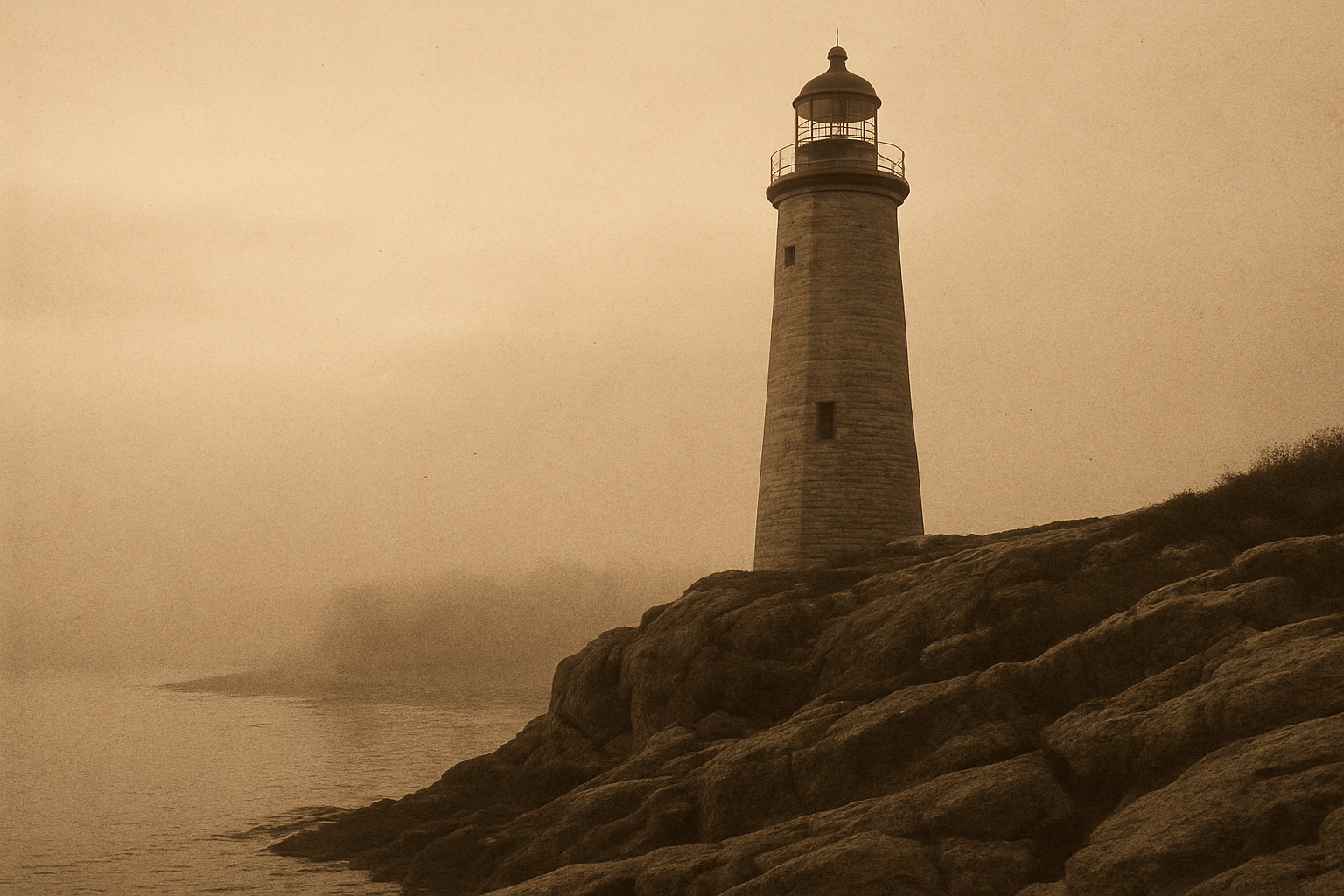
Explore archive photography, keeper stories, and preserved towers that trace the maritime memory of the northern shore.

  • ARCHIVAL PHOTOGRAPHY
  • KEEPER NARRATIVES
  • COASTAL MAP BROWSING

Coast introduction

A network of lights, logs, and lives along the northern shore

This archive traces how lighthouse stations worked together across the northern coast—guiding ships through fog, storms, and shoals while keepers recorded daily weather, maintenance, and community life. Each record links a tower to the people and waters that gave it purpose.

  • Navigation — beacon ranges, hazards, and route markers.
  • Weather — fog logs, storm notes, and seasonal conditions.
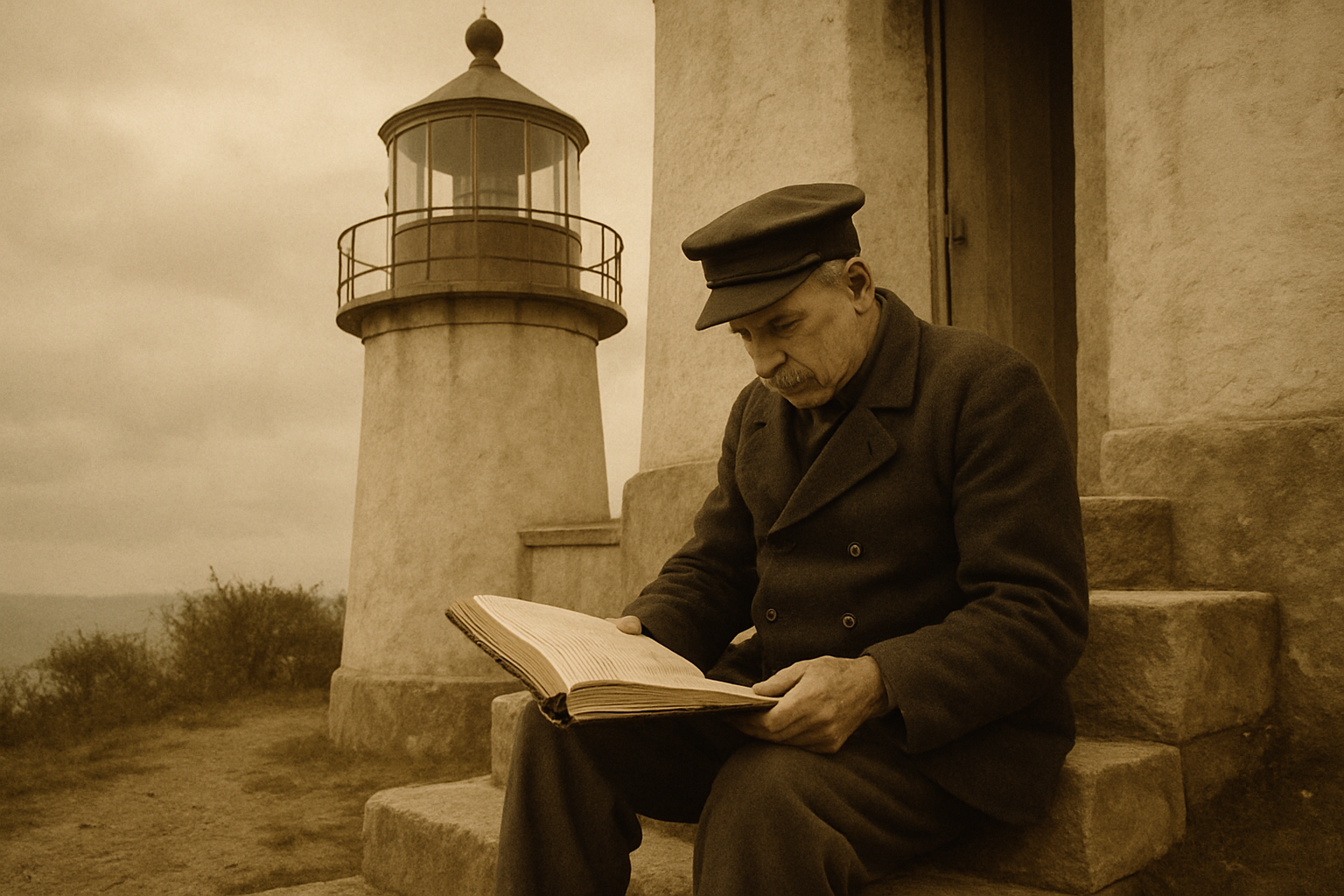
  • Keeper life — routines, families, and station duties.
  • Preservation — restoration efforts and surviving towers.
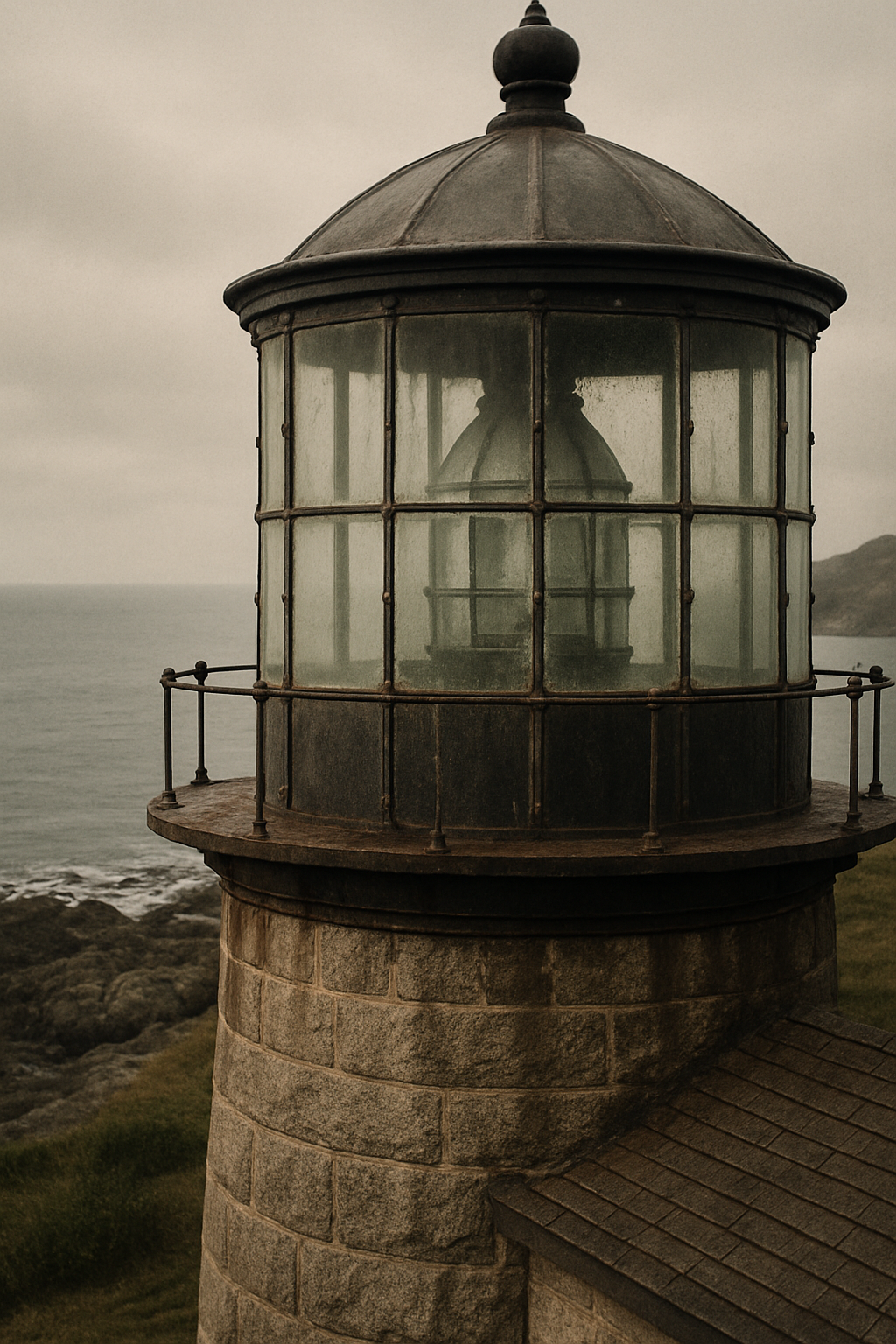
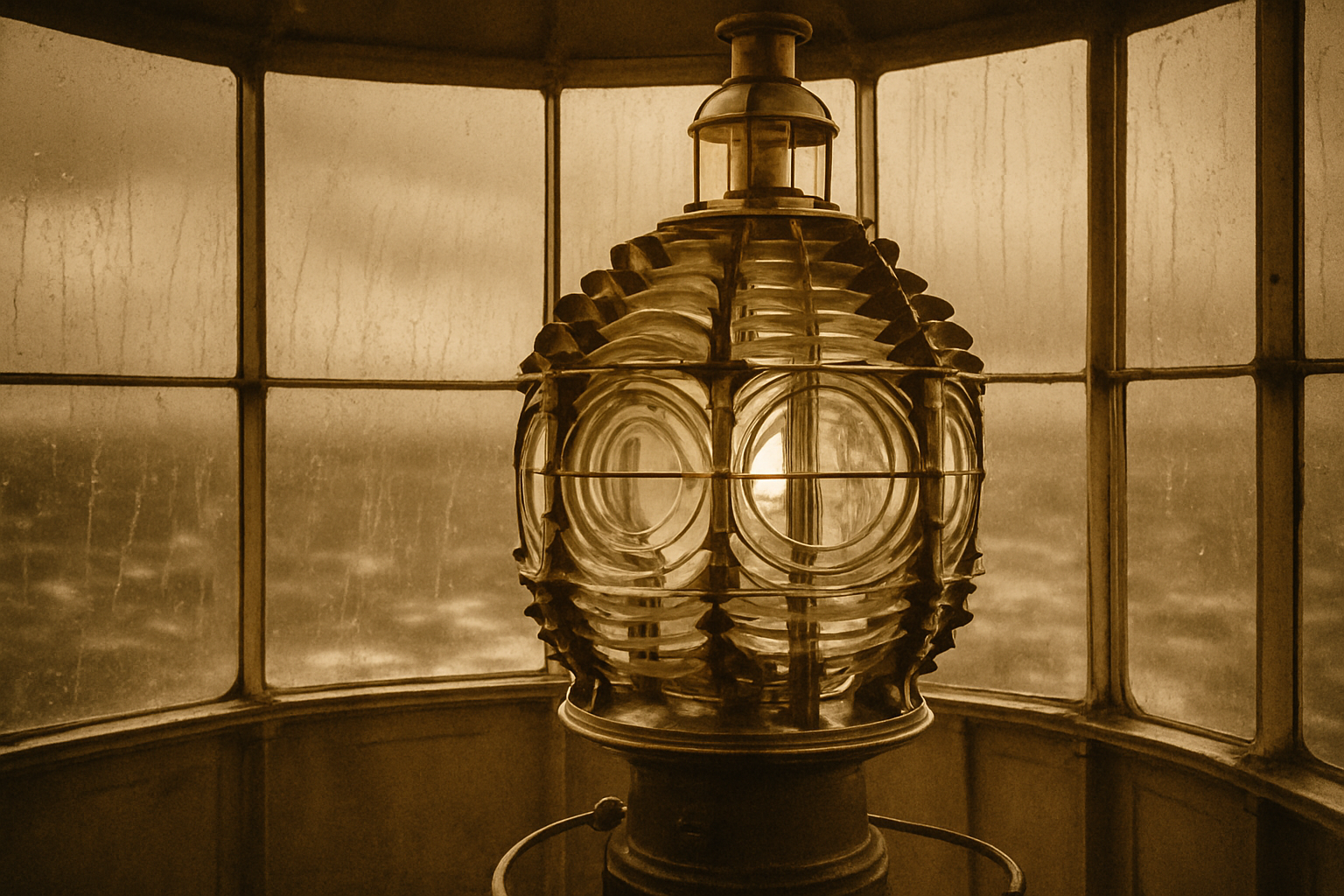
Weathered lighthouse lantern room with salt-stained glass and riveted iron framing above a rocky northern coastline
Lantern room detail at a preserved northern station, showing original ironwork and storm-worn glazing.

Chronological overview

A brief timeline of the northern coast lights

From first masonry towers to today’s preservation efforts, these five moments frame the human and structural story of the coast.

  1. 1832 · Early construction

    The first permanent stone lighthouse was established at the harbor mouth to guide timber and fishing vessels.

  2. 1860s–1880s · Coastal expansion

    Additional beacons were built along shoals and headlands, forming a recognizable chain of lights up the coast.

  3. 1890s–1930s · Keeper era

    Resident keepers and families maintained lamps, weather logs, and rescue readiness through severe winter seasons.

  4. 1950s–1970s · Automation

    Electrification and remote systems gradually replaced manual lamp work, closing most full-time keeper postings.

  5. Today · Preservation and public memory

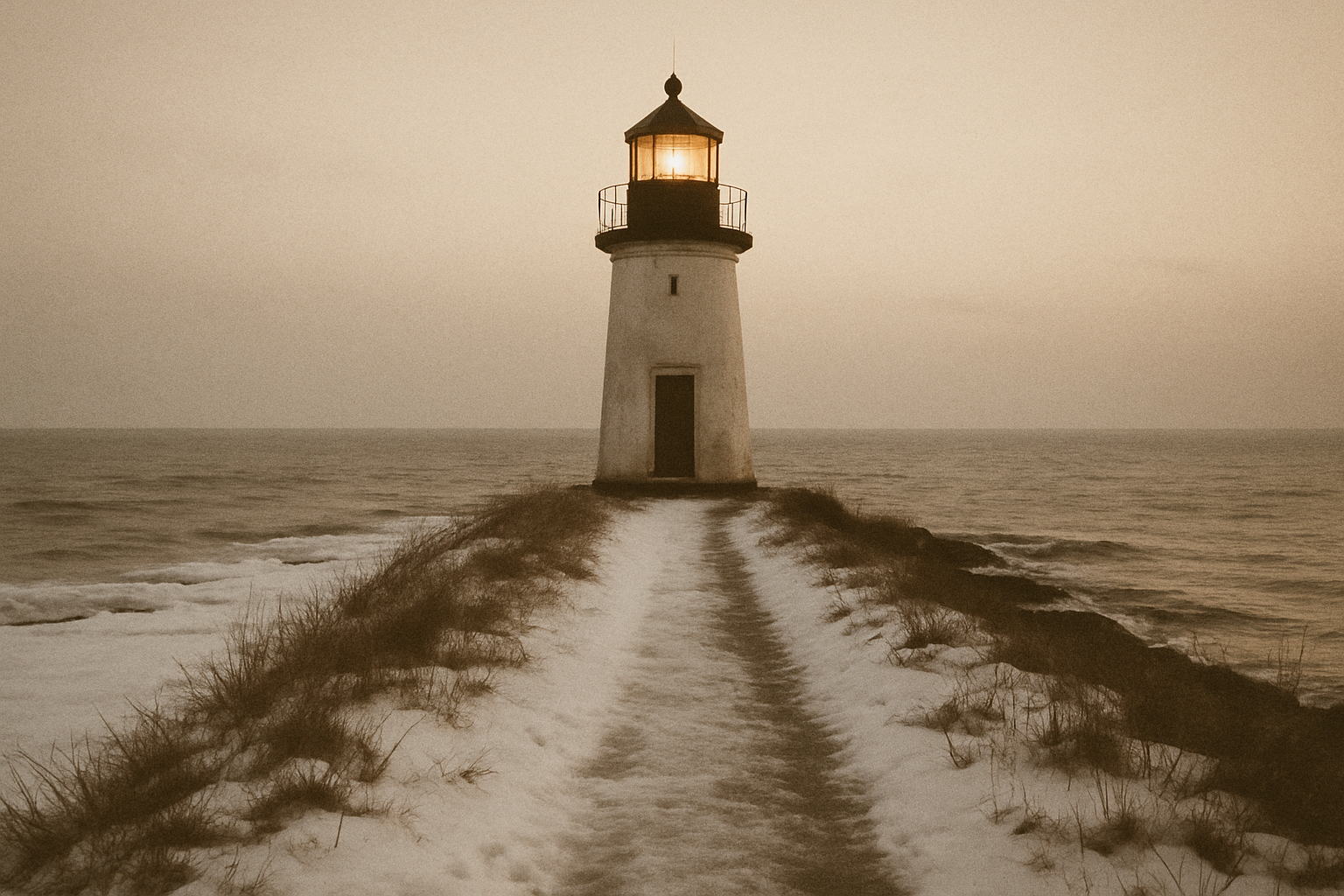
    Community trusts, local archives, and volunteers conserve surviving towers while sharing photographs and oral histories.