
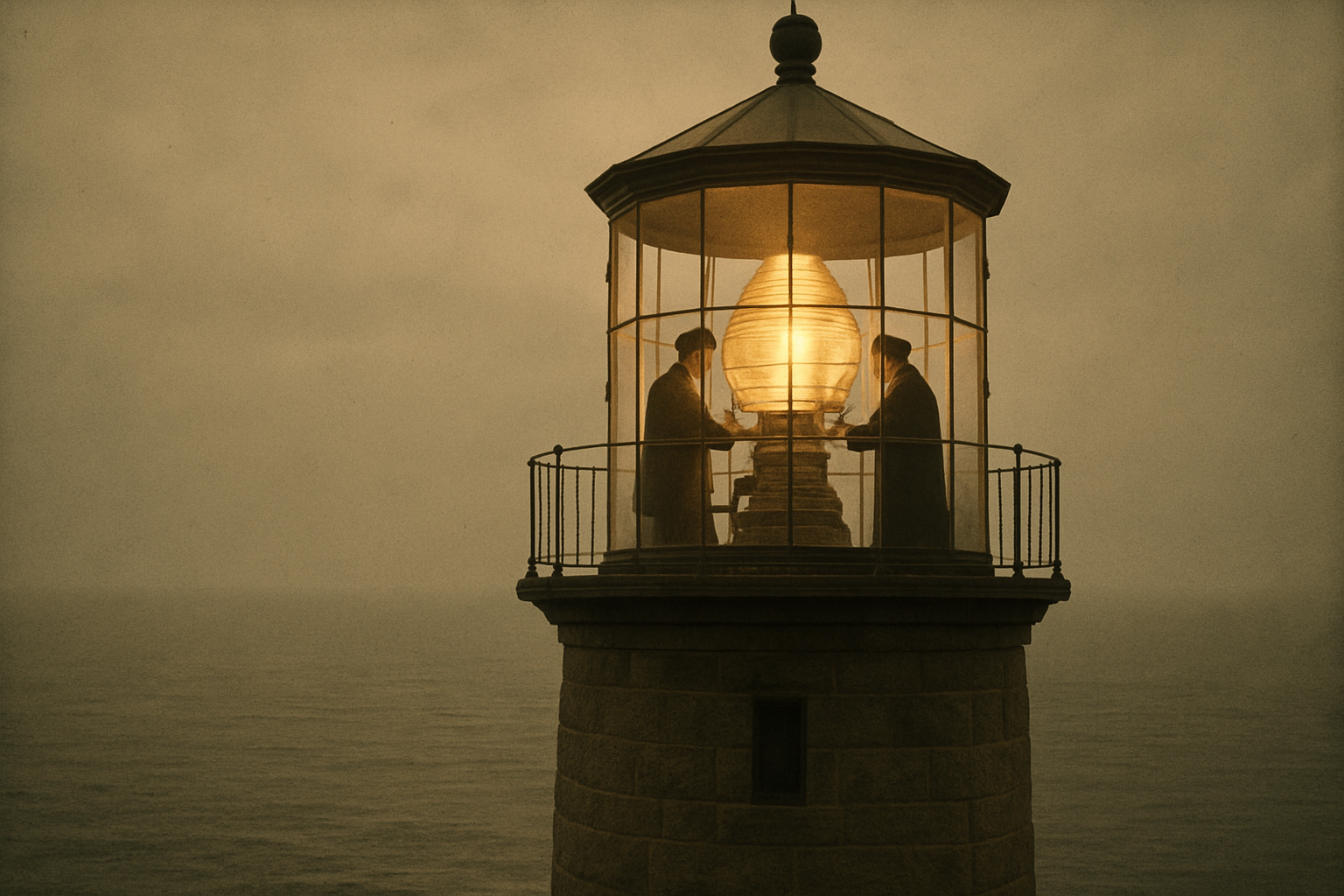
Lantern Room Watch, Cape Rowan
1912 · North Head
Evening plate showing two keepers preparing the Fresnel lens before fog rolled over the outer reef channel.
Archive collection
Six restored views from station ledgers and glass plates, arranged as a reading path through towers, keepers, and weathered shoreline routines.
1912 · North Head
Evening plate showing two keepers preparing the Fresnel lens before fog rolled over the outer reef channel.
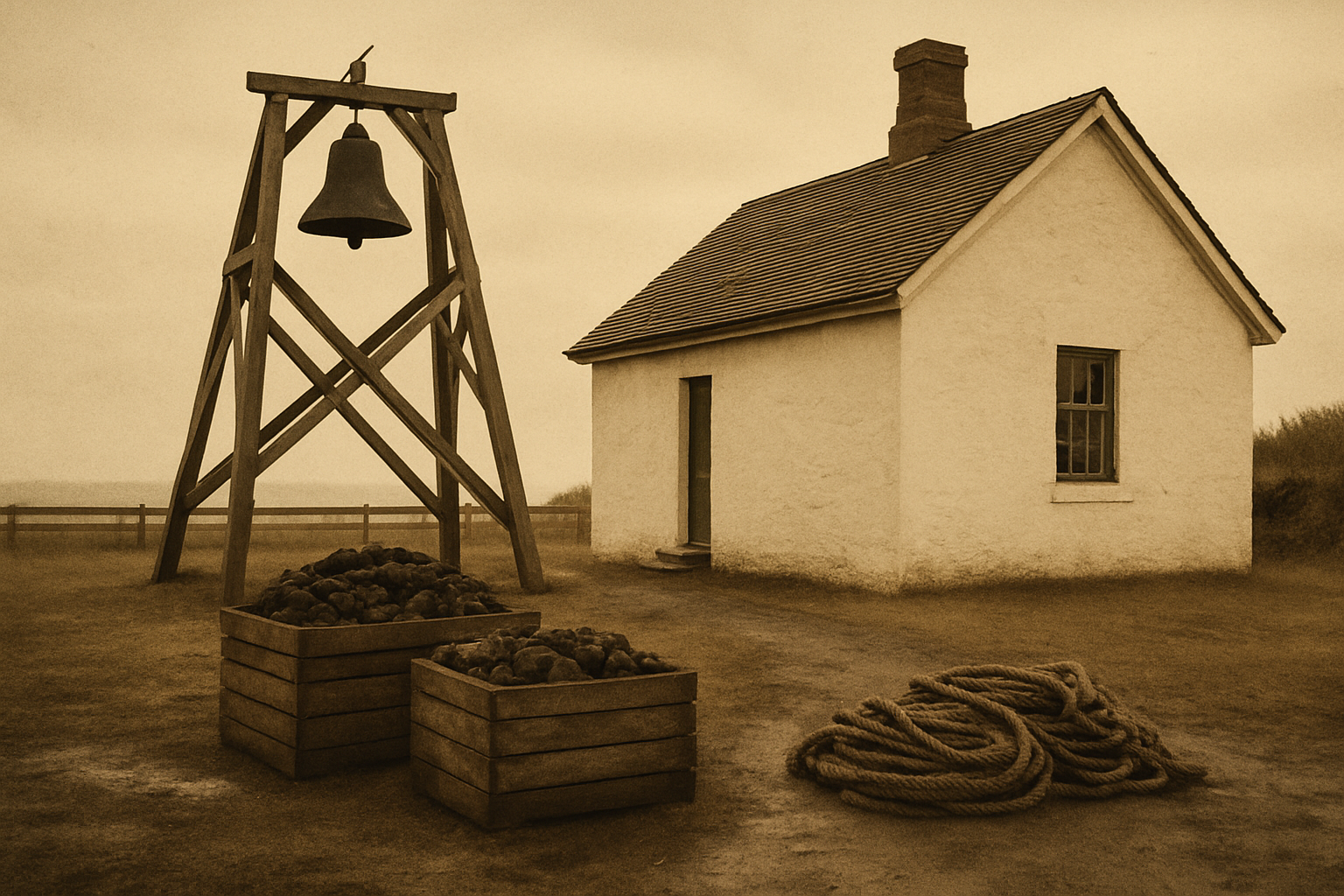
1898 · Gull Point
Service yard documented during autumn stores delivery, with hand-rung fogbell frame visible beyond the shed.
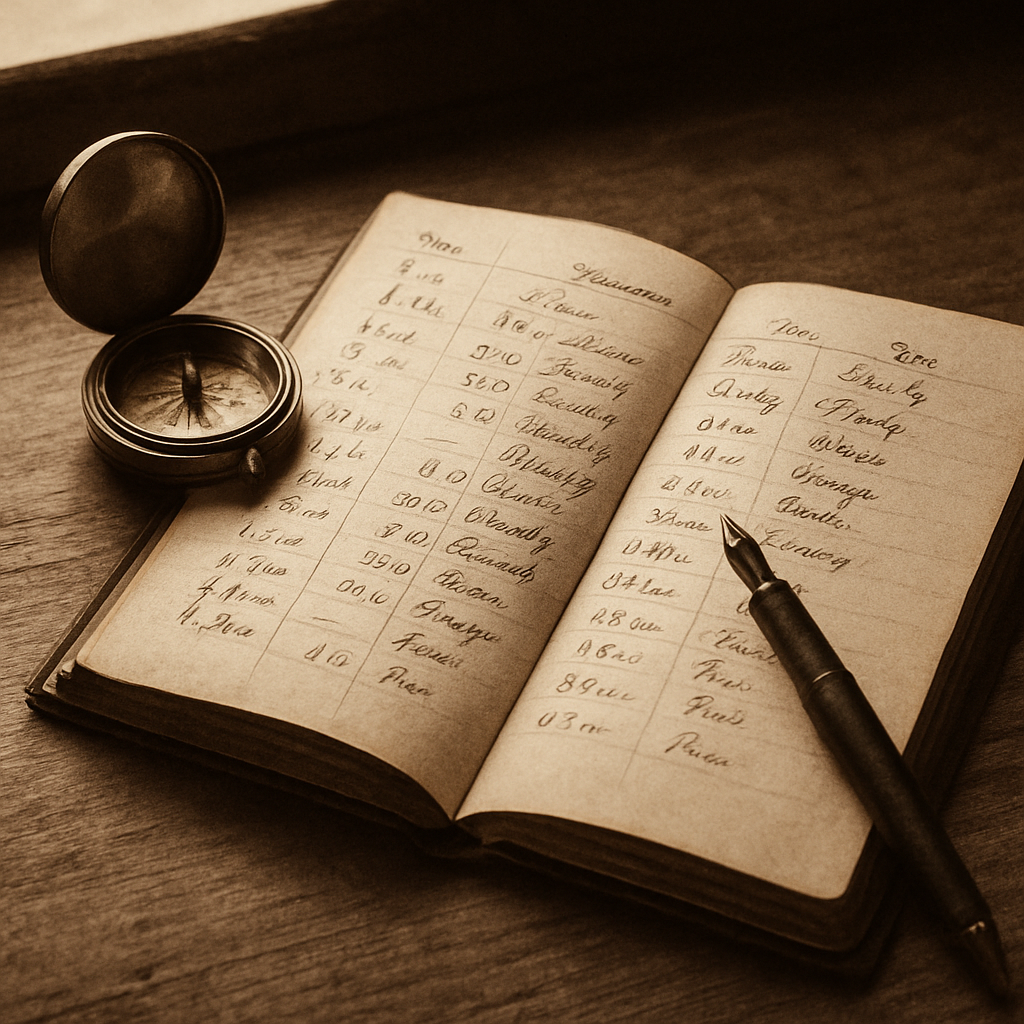
1906 · Breakwater Station
Daily pressure notes and tide marks recorded during a week of persistent northern swell.
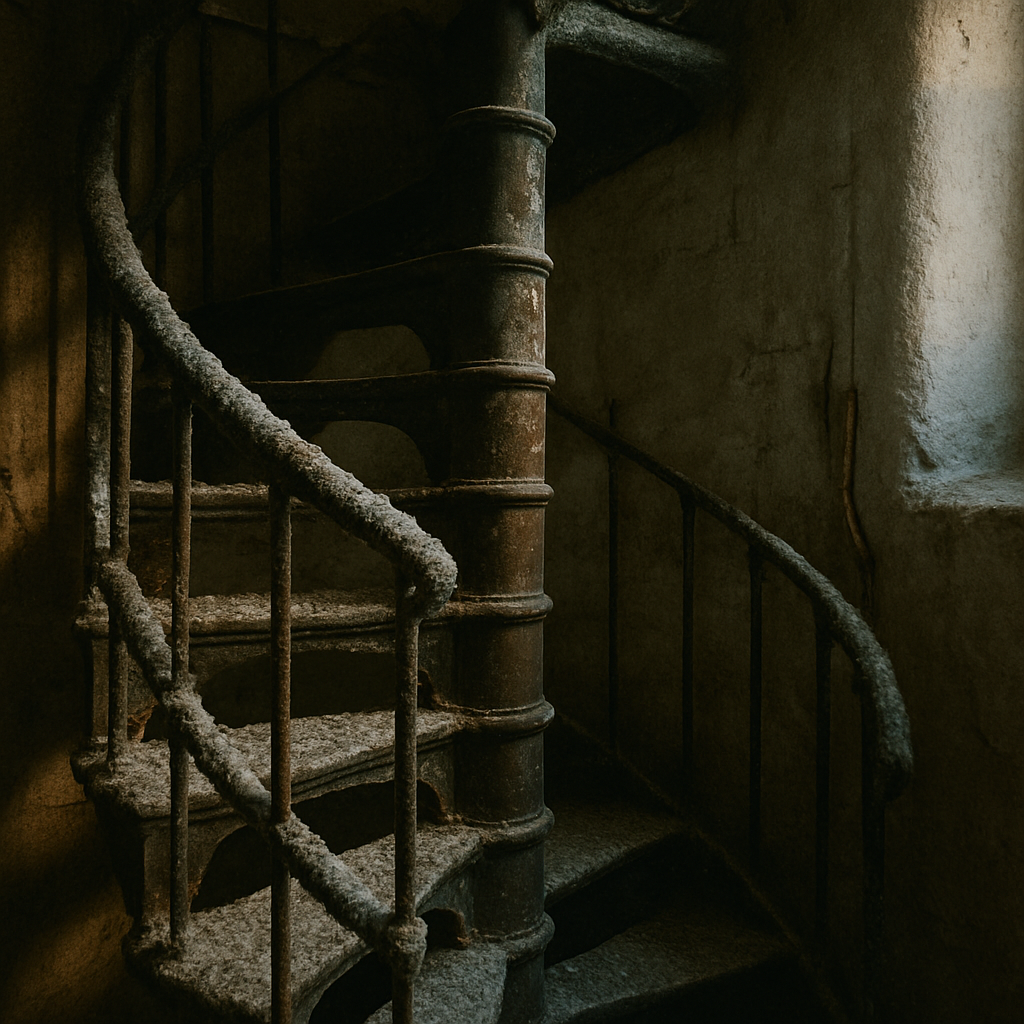
1921 · Blackstone Light
Interior frame highlighting frost-worn ironwork and lamp duty footsteps between midnight rounds.
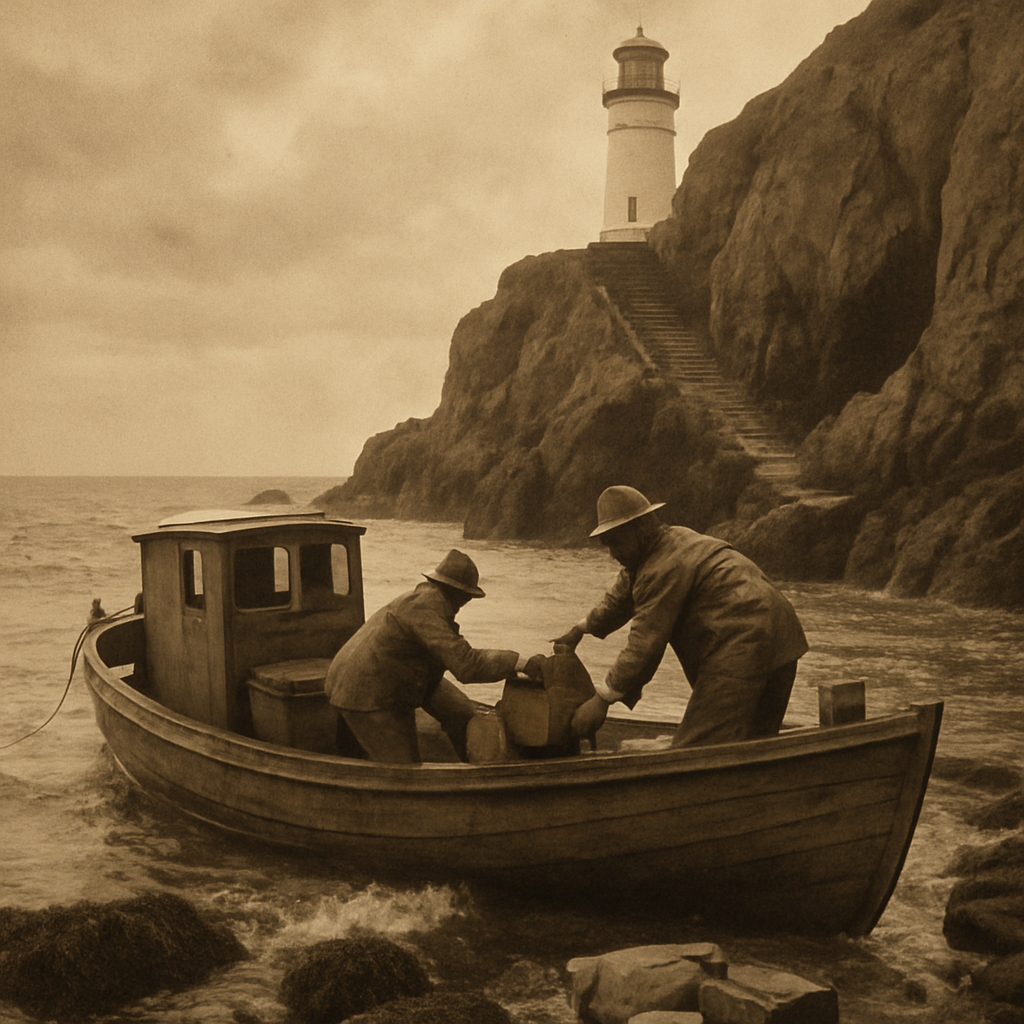
1930 · Harrow Inlet
Crew transfer scene captured at low tide where fuel tins and mail sacks came ashore.
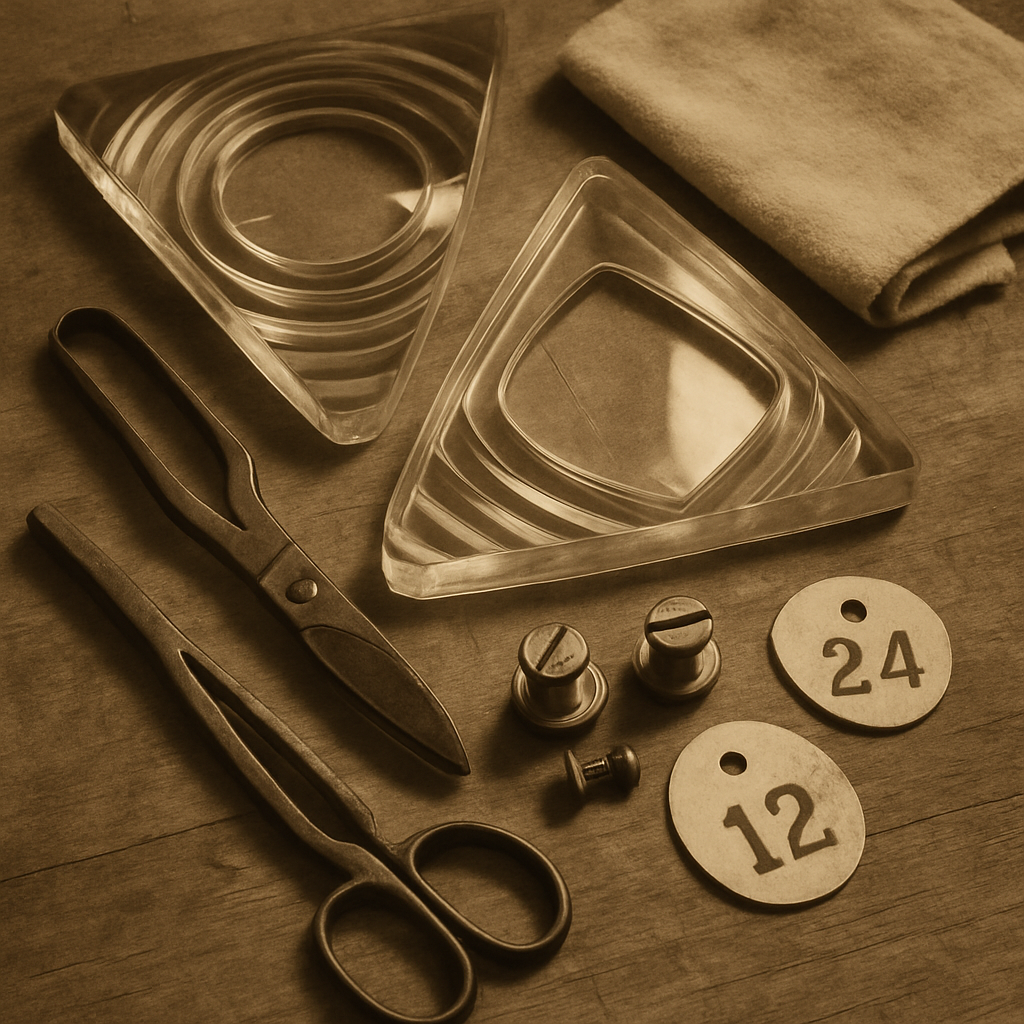
1915 · North Reach Depot
Maintenance bench still life detailing prism cloth, wick shears, and numbered service tags.
Reading the photographs
Short context for recurring details in the archive, arranged like wall text so visitors can scan quickly, then return to the images.
Lens housings often appear brighter than the room because keepers polished the brass and glass daily. Soot marks near vents usually indicate years of kerosene operation before electrification.
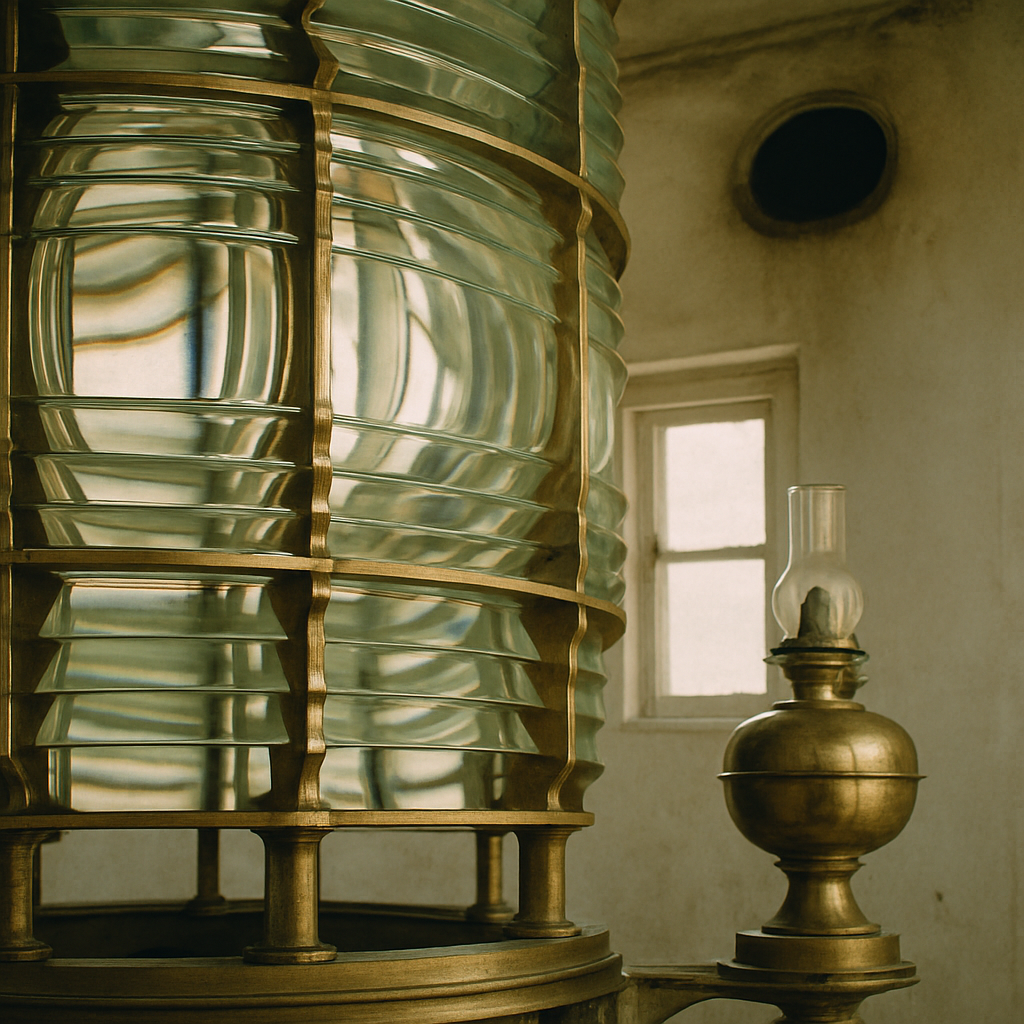
Banding patterns and lantern proportions help identify rebuild periods. Slightly mismatched masonry tones often reveal where storm damage was patched rather than fully rebuilt.
Salt haze softens contrast in many coastal negatives, while wind-facing paint peels first along corners and gallery rails. These textures are useful clues to exposure and season.
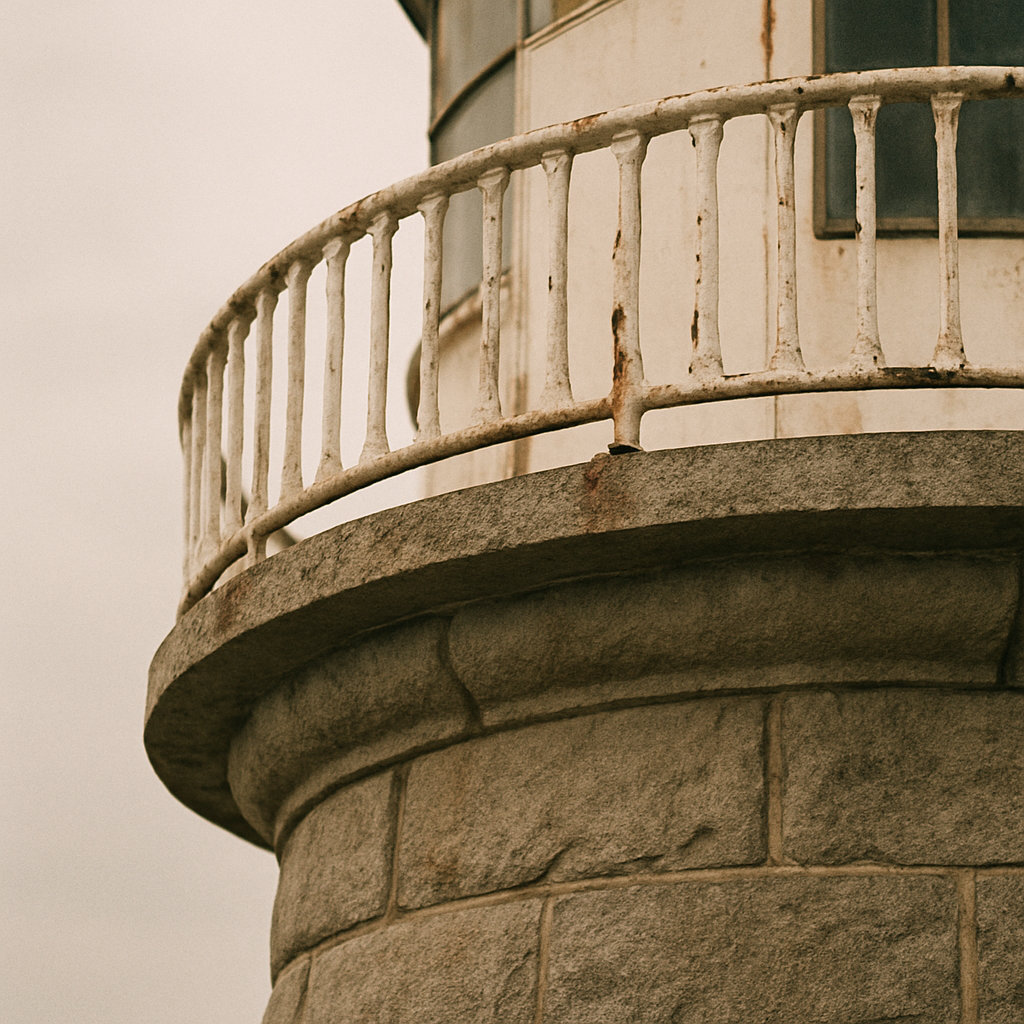
Oil stores, fog-signal sheds, and keeper dwellings were usually photographed incidentally. Their placement around the tower shows how daily work moved between lightkeeping, maintenance, and weather response.
Look for newer bolts, repointed joints, and replacement glazing bars. These modest interventions mark where preservation teams stabilized original fabric while keeping the historic silhouette intact.